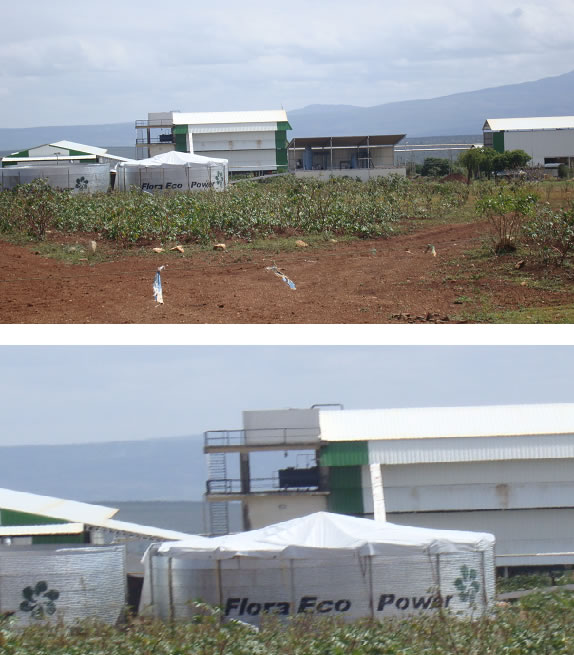
Flora Eco Industry in Fadis District of East Hararghe zone of Oromia falls into bankrupcy and closes its door. The project has lain off its entire staff and many are suffering from hunger along their families.
Bitter pill for Flora Eco Power - 04/07/2009
The German company which has invested in bio-fuel in the Hararghe region is now meeting problems and could be forced to leave the country.
When it arrived in Ethiopia two years ago, the German company Flora Eco Power had planned to invest 671 million birrs (€ 57 million) in the production of non-edible vegetable oil for use in pharmacy, cosmetics and especially for bio-fuel. The Oromia Regional State had allocated it 8,000 hectares of land in the East Hararghe region and 700 local farmers had undertaken to use an additional 2,000 hectares so that they could grow plants - mainly castor-oil - for the production of vegetable oil.
Flora Eco Power recently terminated its agreement with the 700 Ethiopian farmers, rejecting their production because its quality did not comply with that specified in the contract. In addition to these setbacks with Ethiopian farmers, the German company was found itself financially overstretched, making it difficult to use the 8,000 hectares of land allocated it by the Ethiopian authorities. These problems were compounded by technical difficulties in the oil-making machinery. It has consequently not paid its 150 employees for the last two months. A new manager for Flora Eco Power’s Ethiopian subsidiary was sent over from Germany to find a solution to these varied problems. The parent company will decide at the outcome of his investigations, expected to last a month, whether to renew oil production or decide to abandon its Ethiopian project altogether.
Source: ION